Keeping yourself Warm and Safe
Stove Checks
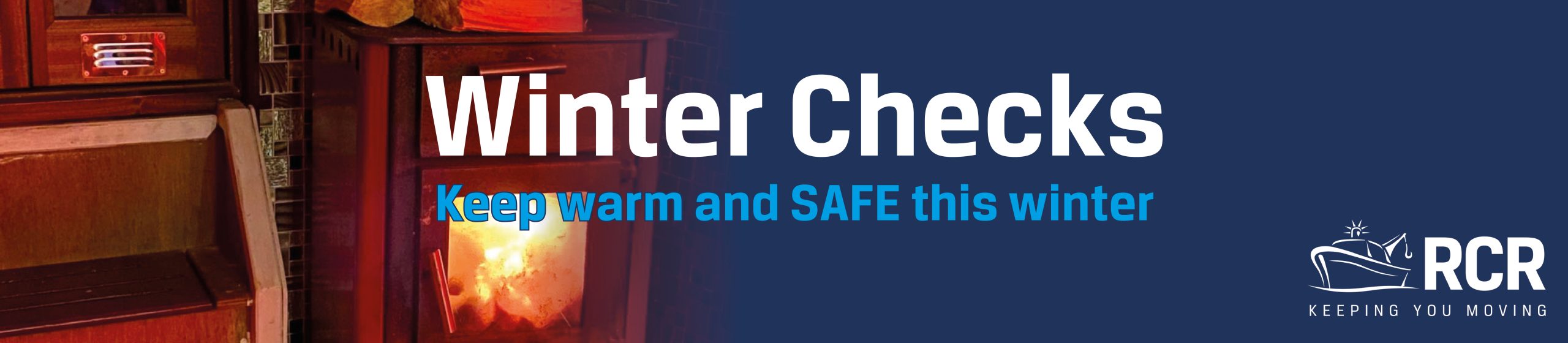
Winter is now upon us which means we’ll be using our stoves more (although they’ve probably been lit for a number of weeks!). While we should all know how to keep safe when using stoves, it doesn’t hurt to have a few reminders.
Always follow the manufacturer’s or supplier’s usage/maintenance instructions, and if you don’t have them to hand, input the make/model online and see if you can find the relevant information.
Keep an eye on your stove’s condition and regularly check:
- Stove liners – replace if they’re starting to crumble
- The stove body – look for signs of cracks, distortion or missing plates. Has the back or top plate worked loose?
- The glass – looks for signs of cracks, damage or bits missing
- Seals – are their gaps or is it poorly installed? If you’re worried about the condition of your rope seal (also known as a gasket) and whether the door is making a good seal, you can always buy a gas detector – they’re inexpensive and very useful.
Replace any faulty item that can be fixed. If your stove cannot be repaired or the problem rectified, consider replacing it, using a professional who can repair/replace the stove to the proper standards. Don’t risk your life or those around you.
CO alarm
Your carbon monoxide alarm is your safety net; it will alert you to a gas leak. This is a MUST HAVE on a boat, so ensure it’s working and the battery’s charged.
Flue and chimney
Is the flue sealed all the way to the cabin roof? A soot-like smear at a joint is usually a sign of a leak, burning wet wood or not enough air.
A clean flue and running the stove at the right temperature gives the chimney a good draw. Be careful not to overload your stove, and if in doubt, check the manufacturer’s instructions.
Even a small rust hole in the chimney will let in air which cools the smoke, stopping it rising. This is serious as it will leak poisonous CO gas into your boat. Regularly check your flue and chimney – it’s good practice to call in a professional to sweep your chimney before the winter period.
On the cabin roof, has the flue been damaged, perhaps it’s been hit by a bridge and dented? Never use a stove that has a crushed flue terminal.
Check ventilation, are there enough mushrooms and vents in the door etc and have they become blocked by spiders’ webs/leaves or restricted to stop drafts?
If you don’t go to your boat regularly, check to see if birds or mice have built a nest in your chimney.
In the cabin
While running the stove, keep the door shut and ensure the hearth is big enough to catch embers. Consider using a fireguard.
When refuelling, be careful embers don’t fall out onto wooden floors, rugs etc, or sparks shoot out, for example onto furniture or the dog’s basket.
Keep all combustibles well away from the stove (at least a meter away if possible) or have an insulating panel that cuts radiated heat.
Be careful how you handle hot ash, it gives off CO, so don’t leave ash to cool in the cabin or in a covered cockpit area.
Disposal
Don’t tip any ash or embers into public or marina bins until it’s stone cold, warm ashes can still have burning embers. Use a metal bin or bucket, with a lid, so burning embers don’t blow back into the cabin.
Don’t tip ash and embers into the waterway, it can harm water quality.